Where Mold Hides in Cumming Commercial Kitchens and Restrooms
Commercial kitchens and restrooms are prime targets for mold growth due to constant moisture, poor ventilation, and organic debris. In Cumming’s humid climate, these issues escalate quickly—often unseen until they become a health hazard or trigger code violations. We’ll show you where to look and how to act before it spreads.
Why Commercial Kitchens Are Mold Magnets
High humidity from cooking, dishwashing, and steam creates a perfect breeding ground for mold spores. Without proper exhaust systems, moisture lingers on walls, ceilings, and equipment.
Grease and food particles accumulate in hard-to-reach areas, providing a nutrient-rich environment for mold colonies. Even stainless steel can harbor mold in seams or behind panels.
Leaks from plumbing, ice machines, or refrigeration units often go unnoticed until mold appears on drywall or subflooring. In Cumming, seasonal humidity spikes make this worse.
Top Mold Hotspots in Commercial Kitchens
Behind and under equipment like ovens, grills, and fryers, where grease and condensation collect. Mold thrives in these warm, damp pockets.
Inside and around exhaust hoods and ductwork. Grease buildup traps moisture, and poor maintenance accelerates mold growth.
Under sinks and around plumbing fixtures, especially where pipes pass through walls or floors. Even small drips sustain mold over time.
In walk-in coolers and freezers, where condensation forms on walls and ceilings. Poor sealing or damaged gaskets worsen the problem.
On ceiling tiles and drywall near ventilation systems. HVAC mold remediation is often needed if the system circulates spores.
| Hotspot | Why Mold Grows | Risk Level |
|---|---|---|
| Behind equipment | Grease + moisture + poor airflow | High |
| Exhaust hoods/ducts | Grease buildup + condensation | High |
| Under sinks/plumbing | Leaks + organic debris | Medium-High |
| Walk-in coolers | Condensation + poor sealing | Medium |
| Ceiling tiles/drywall | HVAC leaks + humidity | Medium-High |
Restrooms: The Other High-Risk Zone
Tile grout and caulk in showers and around sinks absorb water, creating hidden mold reservoirs. Discoloration often appears long after the infestation begins.
Under flooring, especially in restrooms with poor drainage or frequent mopping. Vinyl and tile can hide moisture beneath the surface.
In wall cavities behind toilets, urinals, or sinks. Plumbing leaks in these areas often go undetected until mold spreads to visible surfaces.
Around HVAC vents and exhaust fans. If these systems aren’t cleaned regularly, they can distribute mold spores throughout the building.
Mold in restroom wall cavities can spread to adjacent offices or dining areas through HVAC systems. Always check for musty odors or unexplained allergies among staff.
Signs You Have a Mold Problem
Visible mold growth—black, green, white, or gray patches—on walls, ceilings, or floors. Don’t assume it’s just dirt or mildew.
Musty or earthy odors that persist even after cleaning. Mold often hides behind surfaces, so smell is a critical indicator.
Water stains or discoloration on drywall, ceiling tiles, or baseboards. These are red flags for past or ongoing moisture issues.
Increased allergy symptoms or respiratory complaints from employees or customers. Mold spores can trigger asthma, sinusitis, or skin irritation.
Peeling paint or bubbling wallpaper, which signals moisture trapped beneath the surface.
The Cost of Ignoring Mold in Commercial Spaces
Health risks to employees and customers can lead to liability claims or OSHA violations. Mold exposure is linked to respiratory issues, headaches, and immune system suppression.
Structural damage to drywall, subflooring, and HVAC systems escalates the longer mold is left unchecked. Replacement costs far exceed early remediation.
Business disruption from temporary closures during large-scale remediation. In Cumming, local health departments may require shutdowns for severe infestations.
Reputation damage if customers or inspectors discover mold. News of a mold problem can deter patrons and harm your brand.
Document all moisture incidents and inspections. This paperwork can protect you during health department reviews or insurance claims.
How Commercial Mold Remediation Differs from Residential
Larger scale and complexity. Commercial spaces often require containment barriers, negative air pressure, and specialized equipment to prevent cross-contamination.
Stricter regulations. OSHA, EPA, and local Cumming codes may mandate specific protocols for commercial mold removal, especially in food service or healthcare settings.
Business continuity concerns. Remediation must often occur during off-hours or in phases to minimize disruption to operations.
HVAC involvement. Commercial systems can spread mold spores rapidly. HVAC mold remediation is frequently a critical part of the process.
When to Call a Professional
If mold covers 10 or more square feet, professional remediation is strongly recommended. DIY efforts can disturb spores and worsen the problem.
When mold is in HVAC systems, wall cavities, or other hard-to-access areas. Specialized tools and expertise are required for safe, thorough removal.
If occupants report health symptoms linked to the building. A mold inspection and air quality testing can confirm the source and extent.
For recurring mold issues. If mold returns after cleaning, there’s likely an underlying moisture problem that needs professional diagnosis.
Red Flags for Professional Help
- Mold covers 10+ sq. ft.
- Mold is in HVAC or hidden spaces
- Health symptoms reported by staff/customers
- Mold returns after DIY cleaning
- Water damage is extensive or recurring
How to Prevent Mold in Commercial Kitchens and Restrooms
Proactive moisture control and maintenance are your best defenses against mold in high-risk commercial areas.
- 1Improve Ventilation
Ensure exhaust hoods, fans, and HVAC systems are clean, functional, and properly sized for the space. Poor airflow traps moisture and accelerates mold growth.
- 2Fix Leaks Immediately
Inspect plumbing, appliances, and roofs regularly. Even small leaks can lead to major mold problems if left unaddressed.
- 3Control Humidity
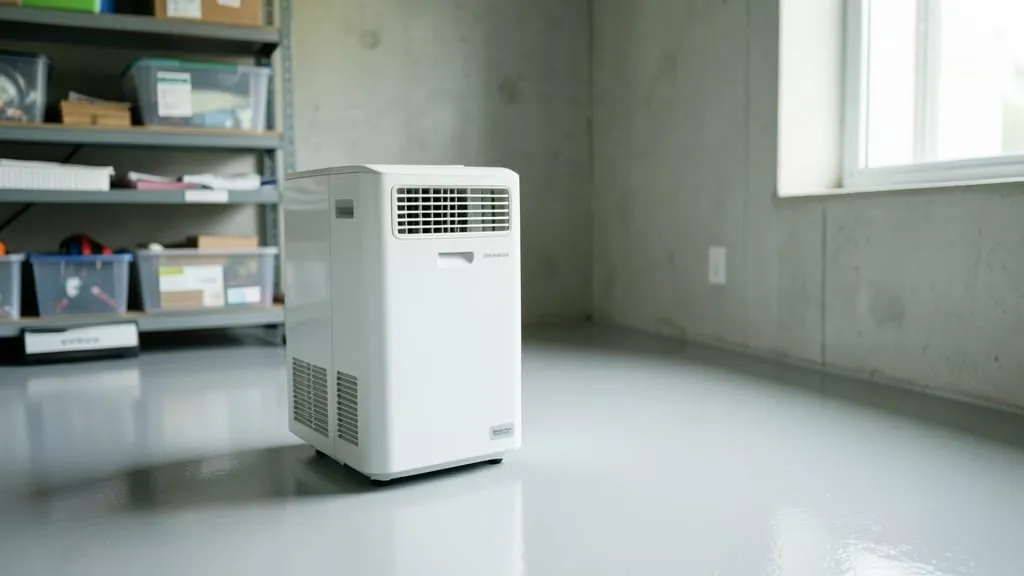
Use dehumidifiers in restrooms and storage areas. Maintain humidity below 60% to inhibit mold growth, especially in Cumming’s humid summers.
- 4Clean and Dry Thoroughly
Wipe down surfaces, dry mopped floors, and empty grease traps daily. Moisture and organic debris fuel mold colonies.
- 5Inspect Hidden Areas
Check behind equipment, under sinks, and in wall cavities at least quarterly. Use moisture meters to detect hidden leaks or condensation.
- 6Schedule Regular Mold Inspections
Professional mold testing and air quality testing can catch problems early. This is especially critical in older buildings or after water damage.
Frequently Asked Questions
How quickly can mold grow in a Cumming commercial kitchen?
Mold can begin growing within 24–48 hours of water exposure, especially in warm, humid conditions. In Cumming’s climate, this timeline is often accelerated. Regular inspections are key to catching it early.
Is black mold more dangerous than other types in restrooms?
Stachybotrys (black mold) can produce mycotoxins, but all mold types pose health risks if left unchecked. The color doesn’t always indicate toxicity—testing is the only way to confirm. Our team uses air quality testing to identify specific strains.
Can I just clean mold with bleach in my restaurant?
Bleach may kill surface mold but doesn’t address the root moisture issue or spores hidden in porous materials like drywall. For commercial spaces, professional remediation with antimicrobial treatments and moisture control is far more effective and safer.
What areas near Cumming do you serve for commercial mold remediation?
We serve Cumming and surrounding areas including Alpharetta, Suwanee, Buford, Dawsonville, Milton, and Gainesville. Commercial properties in these regions face similar humidity and moisture challenges, making regular inspections critical.
How do I know if my HVAC system is spreading mold?
Signs include musty odors when the system runs, visible mold around vents, or increased allergy symptoms among occupants. HVAC mold remediation often requires professional cleaning of ductwork and coils to prevent spore circulation.
Will mold come back after remediation?
If the underlying moisture issue isn’t resolved, mold can return. That’s why our process includes identifying and fixing the source—whether it’s a leak, poor ventilation, or high humidity—followed by post-remediation verification.